


Until a decade ago, wood-fired cooking was only for professionals. Basically, the old generations of electric domestic ovens that worked at ideal temperatures for making bread, cakes and biscuits. However, they only performed reasonably well when it came to making pizzas, incomparable to the specific ovens used in pizzerias. Today, a kind of improvement is underway: a not insignificant proportion of pizza lovers, thanks to the Internet (web forums and a wealth of information on dough-making techniques) and professional flours finally arriving on the market, have begun to prepare pizzas closer to professional standards. The study of kneading methods in industry forums, as well as the availability of quality raw materials, have all made this a reality. What's more, we can't forget the development of high-performance kitchen appliances, such as modern pizza ovens.

The best pizza oven for a professional kitchen in your home
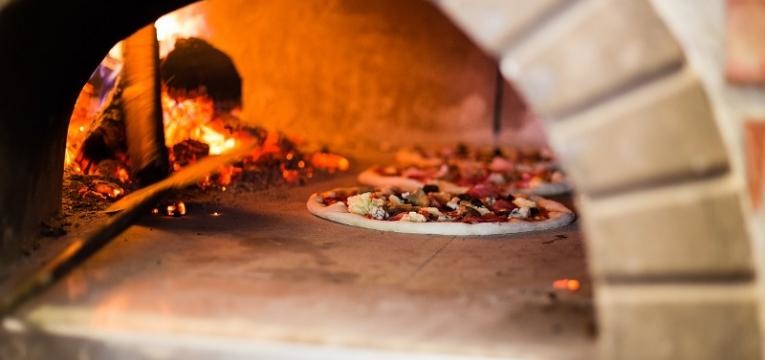
Changing your domestic oven can be a little unsettling, especially when it's an oven whose qualities and defects are well known. You need to understand how the new oven works and, above all, replace the old one in the best possible way. It's certainly not easy to find the best home pizza oven among all the products on the market, but by analysing the characteristics and properties of each item, the choice for the user will be less difficult. Kneading techniques and quality raw materials are not enough to make a good pizza; the amateur pizzaiolo must use an excellent pizza oven - which brings us to the main point - which oven to choose?
Domestic gas and electric ovens
These are the classic built-in ovens capable of cooking delicious pizzas, as long as you follow a few simple guidelines to optimise their cooking. Nowadays, almost all electric ovens reach 250°C (480°F) with some models that, at least on paper, reach a maximum of 300°C (570°F). The various settings for cooking pizza, unless they don't include sudden increases in temperature, are hardly helpful. To cook pizza, you need a lot of static heat, so it's best not to use ventilation to prevent the pizza dough from drying out during cooking. The best way to cook pizza in a domestic oven is on the baking tray: preheat the oven for a maximum of 40 minutes, place the baking tray directly on the bottom of the oven where the temperature is highest and the metal of the oven base will transmit the heat directly to the pan. If you have a gas oven, you need to take a few precautions: the flame under the base of the oven makes cooking difficult, so place the baking tray on the lower rack to prevent the bottom of the pizza from burning.
Portable electric ovens
They were the first pizza ovens to hit the domestic market several years ago and are still in fashion among pizza aficionados who do everything they can to prepare them and improve their performance. These spherical ovens have an aluminium shell structure and only cook round pizzas on refractory stone, thanks to two heating elements connected to a single thermostat. They reach 400°C (750°F) and produce really excellent pizzas. Incredibly light, you can move them easily and place them anywhere.
Gas ovens
They should not be confused with traditional built-in ovens, as these appliances are fuelled by gas burners that duplicate the heat of the fire obtained by burning wood. Gas pizza ovens have the same structure as wood-fired ovens and can be fuelled by wood or gas via a burner connected to the gas network or cylinder. They don't require a chimney to be used indoors, such as in taverns or kitchens. The pizzas are so tasty that it will be difficult to tell the difference between a pizza cooked in a gas oven and one cooked in a wood-fired oven.
Semi-professional electric ovens
These are devices aimed at professional-amateur pizzaiolos, an increasingly widespread category. The customers who buy these types of ovens are basically amateur pizzaiolos who want to have a high-performance tool at their fingertips that reproduces professional cooking without blowing their electricity bill. These ovens are as deep as built-in ovens, but the cooking chamber is smaller and lower; they are specially designed for making pizzas and focaccias. Their base is made of refractory materials and they can reach 450°C (840°F) thanks to the heating elements controlled by a pair of adjustable thermostats. These are professional miniature ovens that feel right at home in the kitchen of a gastronomic aficionado. They can perfectly cook any type of pizza, but the problem is that their market is almost exclusively online.
Domestic wood ovens
This is the fastest-growing sector in the last ten years: manufacturers have realised consumers' need for a small wood-burning stove to put in the garden or on the terrace and have therefore designed small, light and non-bulky equipment. The problem with refractory ovens is that it takes longer to heat them up, so you have to switch them on a few hours before they reach the right cooking temperature. Of course, pizzerias don't run this risk, as their ovens work for hours on end and, even when the fire goes out, they maintain a temperature of around 200°C (400°F) every other day. To solve this complication, some companies have created pizza ovens with a steel dome and a refractory base so that the metal structure heats up more quickly and absorbs less humidity than a refractory oven.
Indirect fire wood-burning stoves
These ovens have a separate cooking chamber from the combustion chamber; the wood burns in an airtight compartment and the heat is transferred to the cooking chamber, the base of which is made of refractory material. Although they are heated by wood, these units are not in the same category as real pizza ovens, but they are still an effective solution for cooking "pan pizza" or "alla pala", two recipes that need constant heat and a flame that is not too fast. They require a chimney and can be placed outside, in the garden or on the terrace, for example.
Ovens: to each his own!
Choosing a pizza oven is often the final part of a long evaluation process. Not everyone can afford expensive, sophisticated equipment like that used in professional environments, but when it comes to pizza-making equipment, there are many oven models and brands to suit all tastes and needs. As mentioned above, in addition to the classic built-in devices, today's market offers a wide variety of domestic ovens for cooking your perfect pizza so finding the product that best suits your needs isn't hard work, and even more so if you don't know what you want. Much will depend on the type of pizza the pizzaiolo wants to make, but other key factors in choosing an oven are probably where it should be placed, how big it should be and how it should be used. The wood-fired oven is the pizzeria's ultimate oven, but unfortunately only the luckiest can have one at home. Professional-amateur pizzaiolos, crazy about details, programmes, functions and accessories, will certainly opt for semi-professional home ovens. In fact, if you decide to go for round pizzas, you'll need more powerful ovens, reaching higher temperatures and, in this respect, the semi-professional home oven fulfils all the requirements. The new generation ovens include some features that you couldn't even imagine until a few years ago. The pizzaiolos will judge!
Hello good afternoon I have a restaurant in Leça palmeira and I know that there are gas and wood-fired ovens I would like more information about this type of oven so that I can buy one that can fit 8 pizzas inside more or less thank you...
Rui Oliveira